

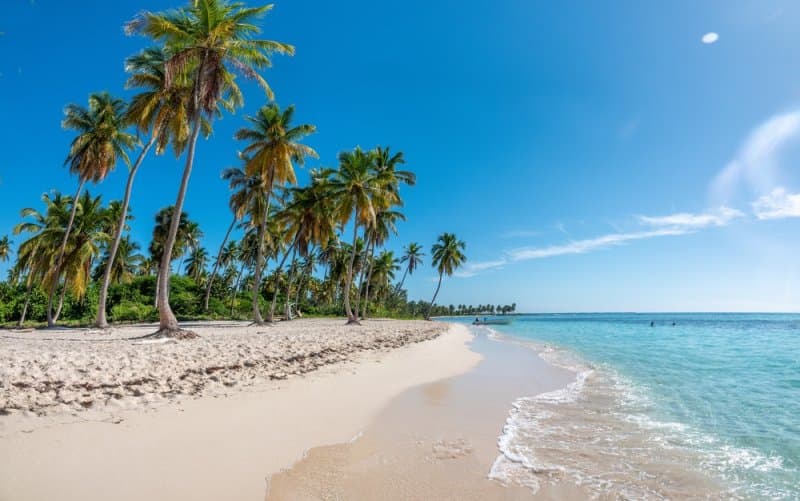
Imagine unrolling your beach towel onto warm, powdery sand and hearing nothing except gentle ocean waves and calling seabirds. Discovering Secluded Beaches gives weary travelers a rare chance to disconnect from noisy resorts and crowded boardwalks. According to global travel trend data from the World Tourism Organization and Expedia traveler insights, more than 72% of modern vacationers prioritize uncrowded natural destinations to reduce travel stress and reconnect with nature. Finding hidden coastal sanctuaries turns an ordinary holiday into an unforgettable personal reset.
Knowing where to look beyond famous postcard coastlines removes the frustration of arriving at packed shores. It helps you plan peaceful escapes where crystal waters and dramatic cliffs belong entirely to you.
In this curated travel guide, we showcase the top secluded beaches and best secluded beaches in the world, uncover unknown beaches around the world and remote beaches worth the journey, compare underrated beach destinations in the world, and share practical tips for visiting the most secluded beaches around the world responsibly.
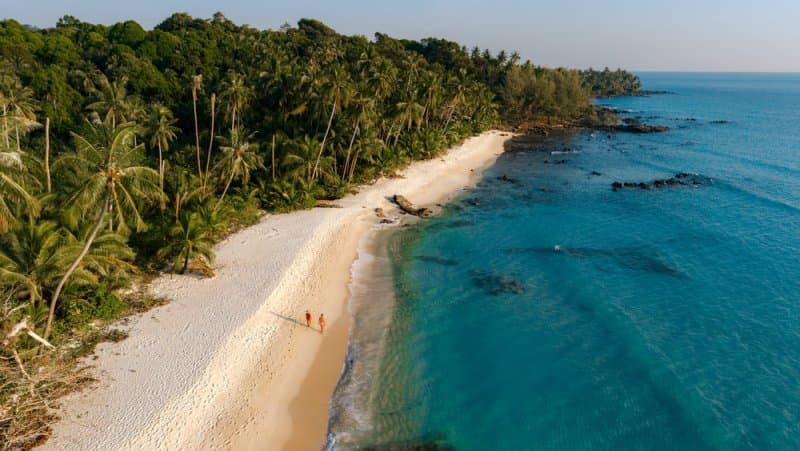
Exploring these carefully selected coastal hideaways reveals why seasoned travelers willingly trade highway convenience for untouched natural beauty.
Tucked inside a collapsed volcanic crater just off the coast of Puerto Vallarta, this sunken cavern opens straight to the blue sky above. Visitors reach the sunlit inner cove by swimming or kayaking through a short water tunnel during low tide, making it one of the most unforgettable unknown beaches around the world.
Framed by towering granite boulders on the southern tip of La Digue Island, Anse Marron rewards adventurous hikers with calm natural saltwater pools. Navigating coastal jungle trails with a local guide keeps foot traffic remarkably light even during peak island travel months.
Surrounded by dramatic three-hundred-foot emerald cliffs along the Na Pali Coast, Honopu Beach has zero road access and prohibits commercial tour boat landings. Strong swimmers who cross from neighboring coves find golden sands and a sacred natural stone arch in complete solitude.
Protected as a UNESCO natural monument, this limestone cove along the Gulf of Orosei dazzles visitors with bright turquoise water and smooth white pebbles. Strict daily visitor caps and a scenic ninety-minute downhill trek preserve its quiet, unspoiled atmosphere.
Hidden between rugged rocky outcrops near Macumba, this natural tide pool fills with calm ocean water during low tide. Because local surfers and travelers must climb down a cliff path to reach the sand, it remains one of the best secluded beaches in the world near a major city.
While boat tours crowd the main shoreline at midday, arriving via sunrise private charters or exploring neighboring limestone coves along the northern cliffs reveals tranquil blue waters. Towering white rock walls shelter calm swimming spots far away from busy resort towns.
Stretching across one kilometer of fine white sand inside the wild Agriates Desert, Saleccia feels worlds away from European summer crowds. Reached by rugged off-road tracks or coastal shuttle boats from Saint-Florent, its fragrant pine groves and clear shallows define pure Mediterranean serenity.
Try This: Which are the Best Romantic Beach Getaways in 2026?
Reviewing access styles and ideal travel windows helps you match these remote beaches to your personal comfort and adventure level.
| Destination Name | Country | How to Reach the Shore | Best Season to Visit |
| Playa del Amor | Mexico | Permitted eco boat and short tunnel swim | November through May |
| Anse Marron | Seychelles | Guided coastal boulder hike | April, May, October, and November |
| Cala Goloritze | Italy | Scenic mountain trail hike or anchored boat | May, June, September, and October |
| Saleccia Beach | France | Four Wheel Drive trail or local taxi boat | May through late September |
Preparing thoughtfully before heading toward the most secluded beaches around the world keeps your coastal adventure safe, comfortable, and eco-friendly.
Essential Reads: Where are the 8 Best Pink Sand Beaches Across the World?
Stepping away from crowded tourist strips opens the door to coastlines where nature still sets the daily rhythm. Throughout this coastal travel guide, we explored seven remarkable hidden coves spanning Mexico, Seychelles, Hawaii, Italy, Brazil, Greece, and France. We also compared seasonal travel windows, outlined boat and hiking access routes, and shared four practical preparation habits—including tide checks and leave no trace packing—to ensure every remote journey stays safe and memorable.
Choosing quiet shores over commercialized resorts lets you slow down, breathe deeply, and experience the ocean in its purest form. A little extra planning transforms a simple beach day into a lifelong travel memory.
To discover more hidden coastal gems, plan effortless luxury getaways, and unlock curated leisure experiences across the globe today, explore our dedicated travel inspiration hub to start planning your next peaceful escape.
Traveling during shoulder seasons, typically late spring or early autumn depending on the hemisphere, offers warm water temperatures alongside significantly fewer visitors. Avoiding major school holidays and booking early morning boat transfers or trail entries ensures you experience quiet shorelines in peaceful solitude.
Many remote beaches are safe for solo travelers when you research local tide conditions, share your itinerary with your accommodation host, and hire certified local guides for rugged coastal hikes. Always verify cellular signal availability beforehand and avoid swimming alone in unfamiliar coves with strong rip currents.
Responsible travelers protect fragile coastal ecosystems by respecting visitor permits, staying on marked footpaths to prevent cliff erosion, and wearing mineral reef-safe sunscreen. Supporting locally owned boat operators and small eco lodges also keeps tourism revenue within surrounding coastal communities.
A well-packed day bag for an unserviced beach should include at least two liters of water per person, high SPF mineral sunscreen, polarized sunglasses, a lightweight microfiber towel, sturdy water sandals, a basic first aid kit, and a waterproof phone pouch. Bringing small bills in local currency also helps pay for rural boat shuttles or park entry fees.
Several environmentally protected beaches, including Playa del Amor in Mexico and Cala Goloritze in Sardinia, require advance daily entry permits or certified tour bookings to prevent overcrowding. Checking official national park websites at least two weeks before your trip secures your spot and prevents disappointment at the trailhead.
This content was created by AI